
Financial Losses from Operational Shutdowns: What It Costs
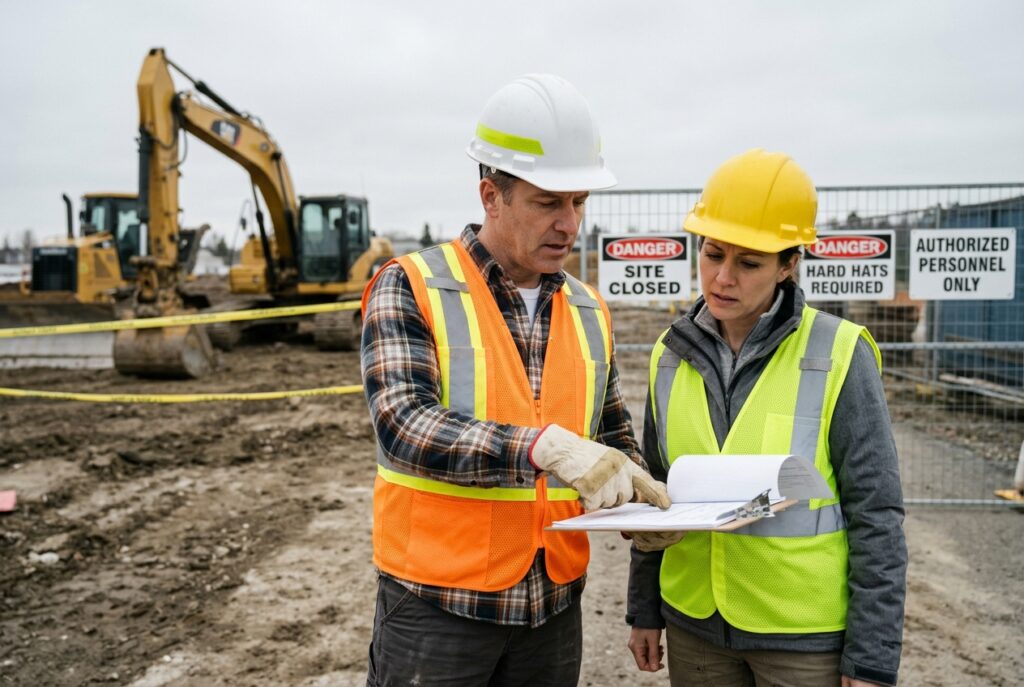
Financial Losses from Operational Shutdowns: What a Safety Failure Actually Costs Financial losses from operational shutdowns rarely show up on a budget line labeled “safety risk,” which is exactly why so many manufacturing, construction, and logistics leaders underestimate them until an inspector, a regulator, or a court order stops production without warning. A single imminent […]
Safety Leadership in Highly Automated Operations
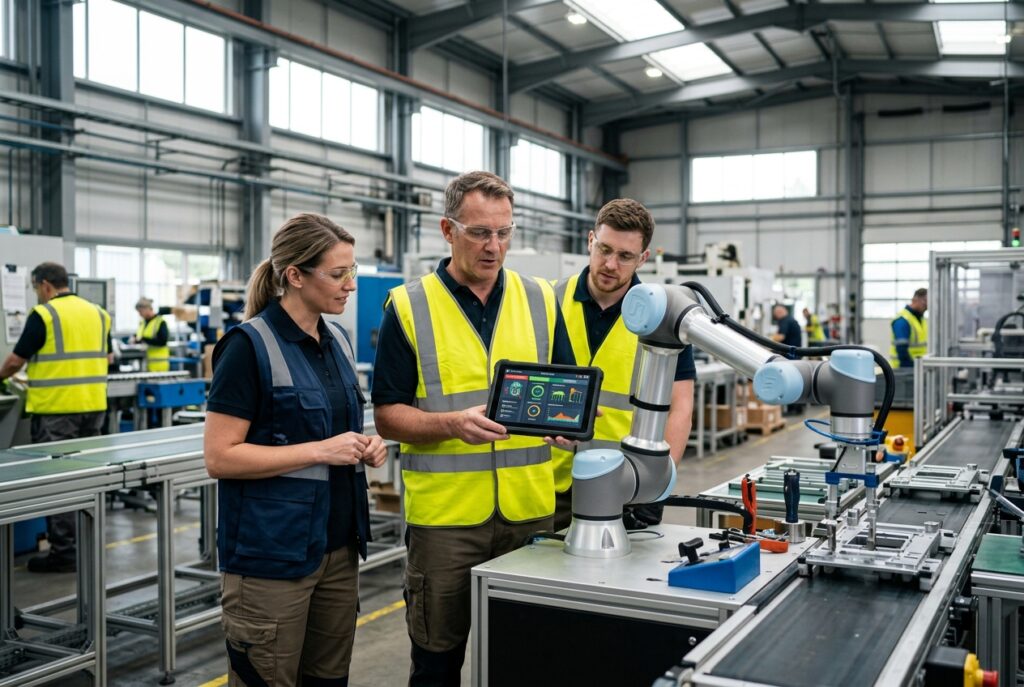
Safety Leadership in Highly Automated Operations: Why Human Judgment Still Decides the Outcome Safety leadership in highly automated operations has become the defining variable separating companies that absorb automation safely from those that discover its blind spots the hard way. Across manufacturing floors, rail corridors, and energy control rooms, machines now sense, inspect, and decide […]
AI-Based Incident Prediction Models: 2026 Safety Guide
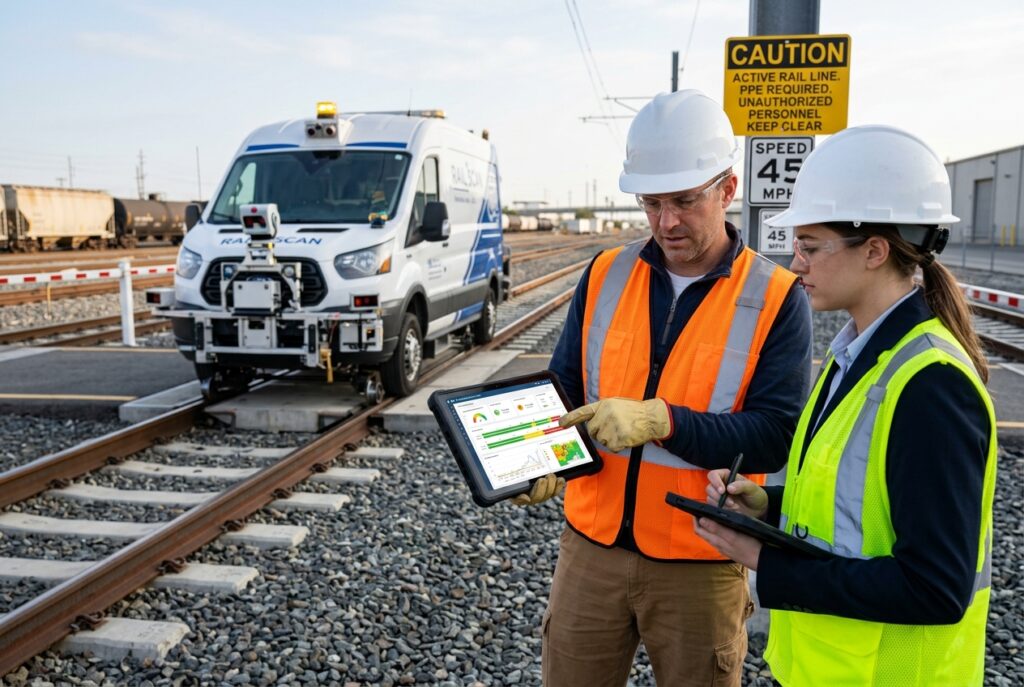
AI-Based Incident Prediction Models: What Railroad, Logistics, Transportation, and Warehouse Leaders Need to Know AI-based incident prediction models are moving from research pilots into operational safety programs across railroad, logistics, transportation, and warehouse operations, and federal safety agencies are building oversight frameworks for the technology at nearly the same pace companies are adopting it. Rather […]
Autonomous Systems and Safety Governance in 2026
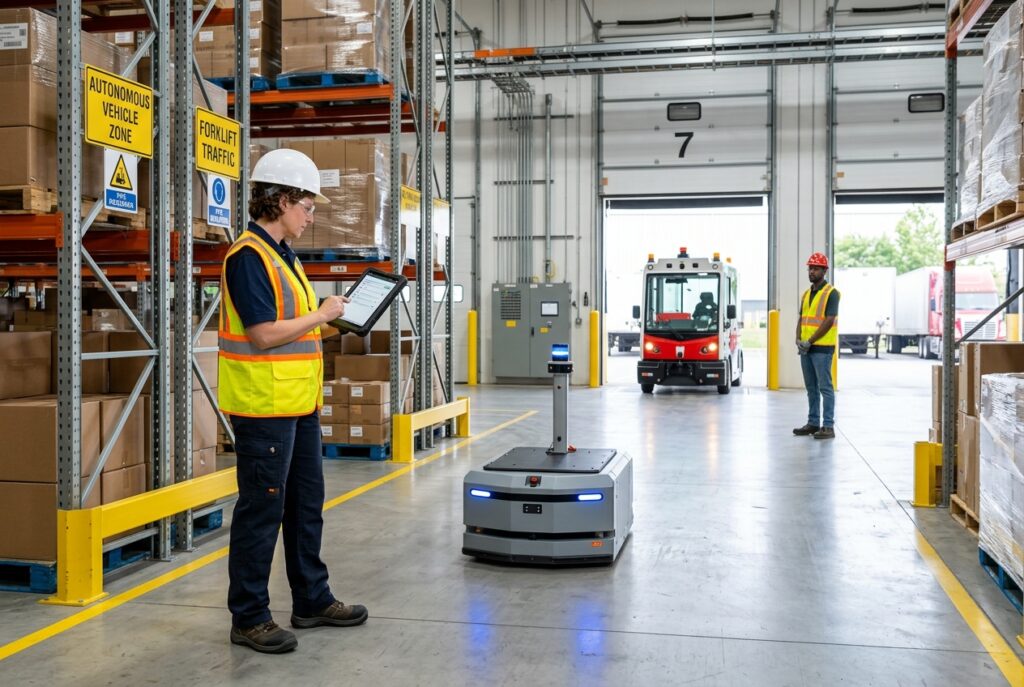
Autonomous Systems and Safety Governance: What Transportation, Logistics, and Railroad Leaders Need to Know Autonomous systems are no longer a pilot-program curiosity for transportation, logistics, and railroad operators, they are becoming embedded operational infrastructure, and the safety governance framework meant to oversee them is being rewritten in real time. Self-driving trucks are moving from closed […]
Hydrogen and Ammonia Safety Challenges in 2026
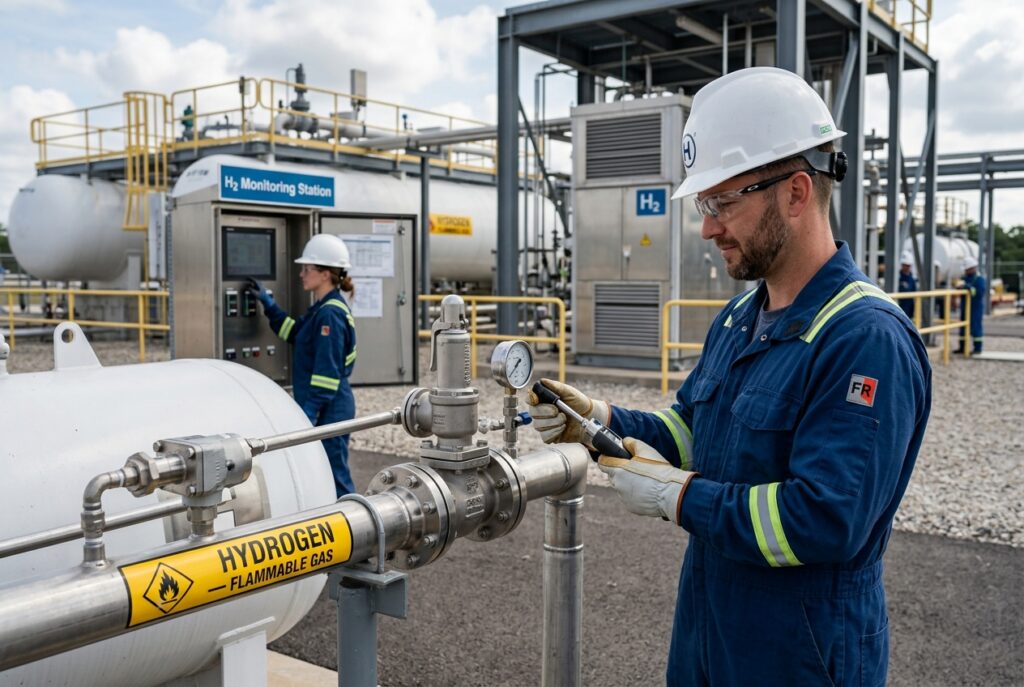
Hydrogen and Ammonia Safety Challenges: What Environmental, Transportation, and Oil & Gas Leaders Need to Know Hydrogen and ammonia safety challenges are moving from a narrow, specialized concern into mainstream operational risk. Both substances are decades-old industrial chemicals with well-documented hazards, but both are now being produced, stored, and transported at a scale the existing […]
Environmental Compliance & Brand Exposure Risk
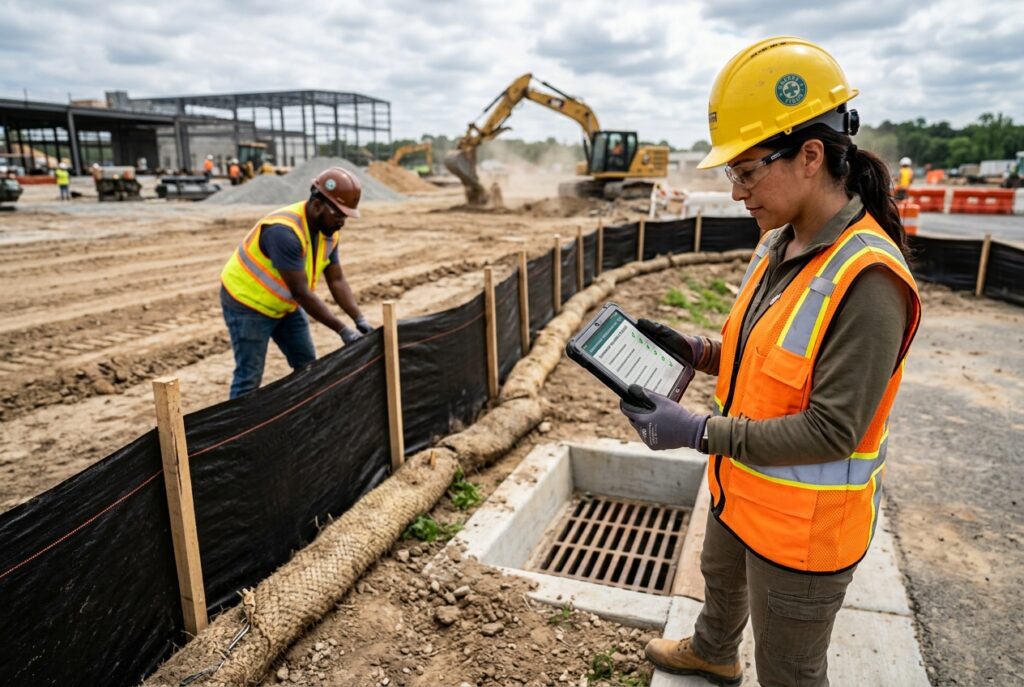
Environmental Compliance and Brand Exposure: What Transportation, Manufacturing, and Construction Leaders Must Know Environmental compliance and brand exposure have become the same conversation for transportation, manufacturing, and construction companies operating in 2026. For decades, EHS teams treated environmental permitting, hazardous waste handling, and stormwater management as regulatory housekeeping, separate from the marketing, sales, and investor-relations […]
Safety as a Corporate Reputation Asset
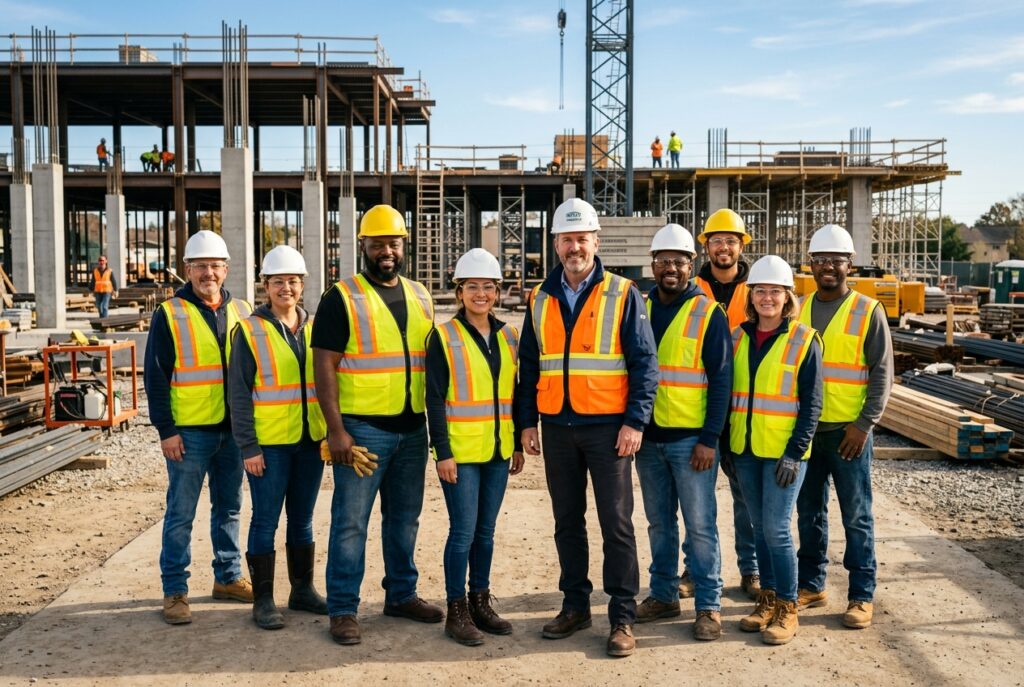
Safety as a Corporate Reputation Asset in Construction and Manufacturing Most construction and manufacturing executives think of safety performance as a cost center to manage or a regulatory box to check. Few think of it as one of the most durable reputation assets their company owns, or one of the fastest ways to destroy that […]
How Safety Incidents Impact Investor Confidence

How Safety Incidents Impact Investor Confidence in Construction and Manufacturing A single safety incident can do more damage to a construction or manufacturing company’s standing with investors, lenders, and business partners than months of otherwise solid financial performance. That is not an exaggeration of the regulatory environment; it is a direct consequence of how much […]
ESG Reporting Risks from Poor Safety Performance
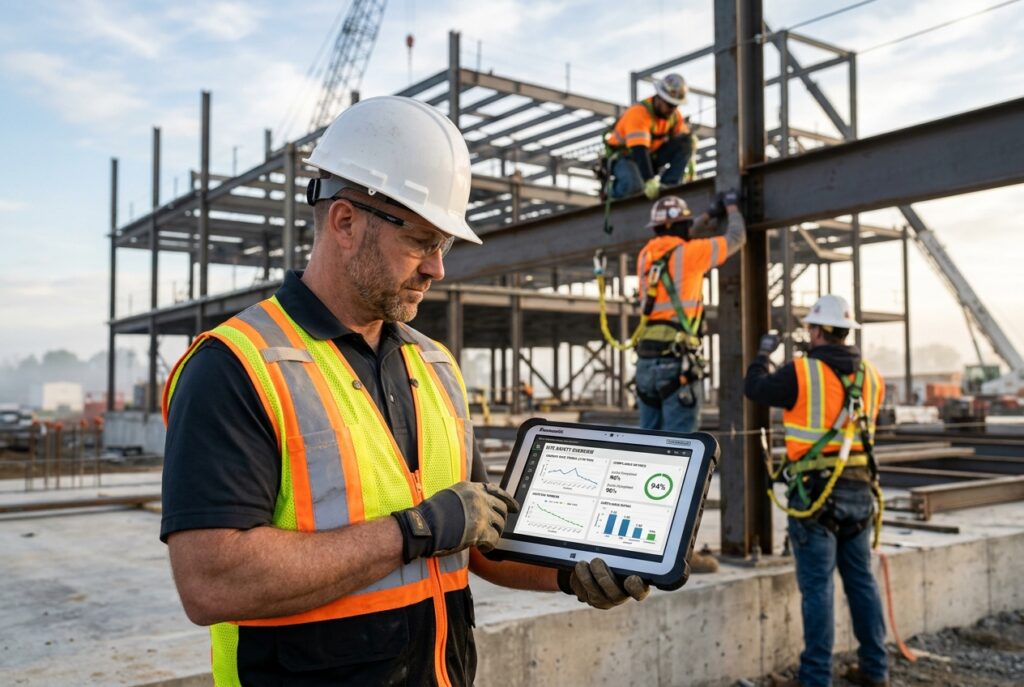
ESG Reporting Risks from Poor Safety Performance: What Energy, Transportation, and Construction Leaders Need to Know Poor safety performance is no longer just an OSHA compliance issue, it is increasingly an ESG reporting risk with direct consequences for capital access, insurance costs, and investor confidence. Energy companies, transportation operators, and construction firms sit at the […]
Driver Fatigue Monitoring Technologies for Fleet Safety

Driver Fatigue Monitoring Technologies: Strengthening Safety Across Transportation, Logistics, and Railroad Operations Driver fatigue monitoring technologies have moved from an emerging safety concept to a core operational requirement for transportation, logistics, and railroad companies operating under federal oversight. Fatigue remains one of the most persistent and underreported hazards in commercial transportation. The Federal Motor Carrier […]
