


Improving Near-Miss Reporting Through Cultural Change
Improving Near-Miss Reporting Through Cultural Change Near-misses are early warnings. Treating them as learning opportunities rather than blame events turns safety culture from reactive to

Using AI Analytics to Identify Jobsite Safety Improvements
Using AI Analytics to Identify Jobsite Safety Improvements Artificial intelligence is no longer just a futuristic idea it is a tool that safety leaders can

Fines from Non-Compliant Hazmat Documentation
Fines from Non-Compliant Hazmat Documentation In hazardous materials logistics, a paperwork error is never “just” clerical. Under the Hazardous Materials Regulations, shipping papers must accurately

Resetting Team Priorities After Peak Summer Workloads
Resetting Team Priorities After Peak Summer Workloads After a season of intense summer demands, teams often return from high-volume work with fatigue, safety drift, and

Enhancing Owner Trust Through Transparent Compliance Records
Enhancing Owner Trust Through Transparent Compliance Records In today’s construction and industrial landscape, owners demand more than project delivery they demand assurance. Trust is built

Losing Client Confidence After a Shipment Incident
Losing Client Confidence After a Shipment Incident In today’s competitive marketplace, client trust is as valuable as the product being shipped. A single shipment incident

Reconciling Safety Metrics with Production KPIs
Reconciling Safety Metrics with Production KPIs Across industries, safety and production are often viewed as competing priorities. Leadership teams track production key performance indicators (KPIs)

Empowering Foremen with Real-Time Hazard Recognition Tools
Empowering Foremen with Real-Time Hazard Recognition Tools Foremen serve as the critical link between management decisions and frontline worker safety. They are the first to

Rising Insurance Costs After a Preventable Collision
Rising Insurance Costs After a Preventable Collision One preventable collision can become the most expensive line item in next year’s budget. The immediate costs vehicle

Ensuring Clarity in Revised SOPs Before Year-End
Ensuring Clarity in Revised SOPs Before Year-End As the year draws to a close, many organizations update their Standard Operating Procedures (SOPs) to reflect regulatory

Building Resilience into Project Safety from Day One
Building Resilience into Project Safety from Day One When a new project begins, the first decisions often determine how safe, efficient, and resilient operations will

Failure to Adopt New DOT Safety Tech in Time
Failure to Adopt New DOT Safety Tech in Time The U.S. Department of Transportation (DOT) is moving rapidly to introduce safety technologies aimed at reducing
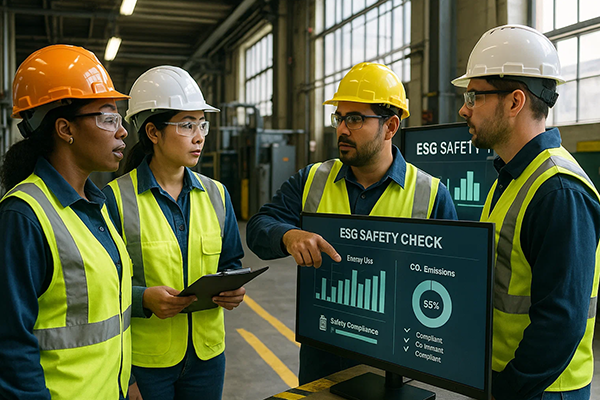
Integrating ESG Compliance into Daily Plant Routines
Integrating ESG Compliance into Daily Plant Routines Environmental, Social, and Governance (ESG) performance is now essential for operational excellence. A vast majority of S&P 500

Positioning Your Firm as a Disaster-Preparedness Leader
Positioning Your Firm as a Disaster-Preparedness Leader Disasters can strike without warning, leaving unprepared organizations scrambling to protect people, assets, and operations. From hurricanes and
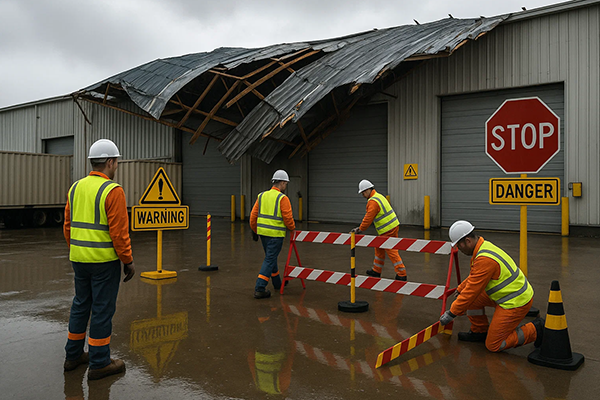
Severe Storm Damage to Fleets and Facilities
Severe Storm Damage to Fleets and Facilities Severe weather events hurricanes, floods, winter storms pose major threats to fleets and facilities, causing both financial loss
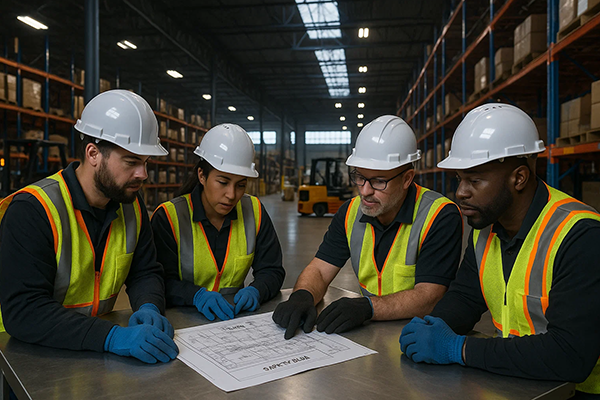
Managing Safety During Seasonal Production Spikes
Managing Safety During Seasonal Production Spikes Seasonal production spikes bring intense demand, overtime, and rapid onboarding of temporary staff. These conditions increase the chance of

Leveraging Drone Footage for Site-Wide Safety Briefings
Leveraging Drone Footage for Site-Wide Safety Briefings Drone video turns a complex job site into a clear, shared picture. Used inside daily briefings and orientations,

Subcontracted Logistics Safety: Closing Multi‑Employer Risk Gaps
Overlooking Safety Risks in Subcontracted Logistics When prime contractors outsource warehousing, drayage, last-mile delivery, or rail transloading, safety gaps often travel with the contract. Under
