
Improving Air Quality Monitoring During Wildfire Season
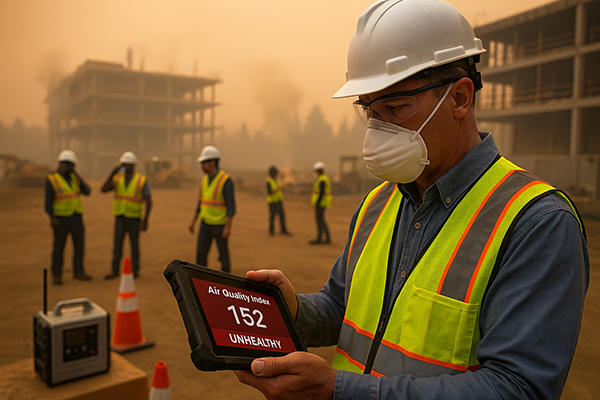
Improving Air Quality Monitoring During Wildfire Season Wildfire smoke now affects far more than burn zones, exposing outdoor and semi-outdoor workers in construction, transportation, utilities, and general industry to unhealthy fine particulate matter (PM₂.₅). Employers that integrate real-time monitoring with clear exposure controls can protect health and keep projects moving when smoke waves arrive. The […]
Driving Higher Margins with Fewer Project Interruptions

Driving Higher Margins with Fewer Project Interruptions Interruptions drain margin. Whether they stem from injuries, rework, or emergency downtime, each delay compounds labor, equipment, and overhead costs. The fastest path to better profitability is not just doing more work it’s preventing the stoppages that quietly erode earnings. OSHA’s recommended practices show that embedding safety into […]
Closing Training Gaps for New ELD Updates

Gaps in Training for New ELD System Updates Electronic Logging Devices (ELDs) are central to Hours-of-Service (HOS) compliance, but each firmware or software change can introduce confusion when driver and dispatcher training does not keep pace. The result is avoidable violations, inaccurate records, and lost trust in the system. FMCSA’s ELD program explains the rule’s […]
Breaking Silos Between Operations and Safety Teams

Breaking Silos Between Operations and Safety Teams In high-pressure industries, safety and operations are often viewed as separate priorities production drives profits, while safety ensures compliance. Yet, when these teams work in isolation, critical insights are lost, communication falters, and preventable incidents occur. Bridging the divide between operations and safety isn’t just a culture change […]
Elevating Subcontractor Accountability Through Clear Safety KPIs

Elevating Subcontractor Accountability Through Clear Safety KPIs Subcontractors are vital to complex project success but without clear safety accountability, they can introduce unnecessary risk. The foundation of a safe, efficient operation lies in transparent performance expectations backed by measurable safety Key Performance Indicators (KPIs). When KPIs are well-defined, safety becomes a shared responsibility across all […]
Managing Injury Risks During High-Load Seasons

Increased Risk of Injury During High-Load Seasons When workloads surge, so does the risk of injury. During high-load seasons such as construction peaks, agricultural harvests, or manufacturing rushes organizations often extend shifts, compress schedules, and increase production demands. These pressures can quickly erode safety margins and heighten fatigue, making injuries more likely when vigilance is […]
Addressing PPE Non-Compliance in High-Heat Environments

Addressing PPE Non-Compliance in High-Heat Environments Personal protective equipment (PPE) safeguards workers from hazards, yet in high-heat environments, compliance can waver. Discomfort, dehydration, and fatigue often lead to partial use or removal of PPE, exposing workers to heat stress, burns, or severe injury. According to the U.S. Bureau of Labor Statistics, heat exposure continues to […]
Expanding EHS Leadership Presence During Natural Disaster Season

Expanding EHS Leadership Presence During Natural Disaster Season Natural disaster season compresses decisions, magnifies risk, and tests whether safety leadership shows up where it matters on the ground, in real time. When Environmental, Health, and Safety (EHS) leaders expand their presence before, during, and after severe weather, organizations cut downtime, protect people, and keep projects […]
Fleet Downtime from Overlooked Hurricane Prep

Fleet Downtime from Overlooked Hurricane Prep When fleets fail to prepare for hurricanes, the cost is more than damage it’s prolonged downtime, stranded assets, and broken schedules. The National Oceanic and Atmospheric Administration forecasts an above-normal Atlantic hurricane season in 2025, estimating 13-18 named storms with 5-9 of them becoming hurricanes, and 2-5 major storms […]
Updating Risk Registers Ahead of Annual Reviews

Updating Risk Registers Ahead of Annual Reviews A risk register is more than a static document it must evolve as your organization does. Approaching your annual review without refreshing risk entries invites blind spots, outdated assumptions, and missed mitigation opportunities. To remain relevant, risk registers should be updated proactively throughout the year, not just in […]
