
Reducing Idle Time to Improve Fleet Emissions Reporting Accuracy

Keeping up with excessive idle time impacting emissions reporting Excessive vehicle idling quietly inflates Scope 1 inventories, misstates emissions-intensity KPIs, and erodes credibility in ESG disclosures. Idling is fuel combustion you don’t need, and in most inventories that means avoidable direct emissions. EPA’s corporate inventory guidance classifies fuel burned in owned or controlled vehicles whether […]
Heat Safety Compliance for Summer Worksites
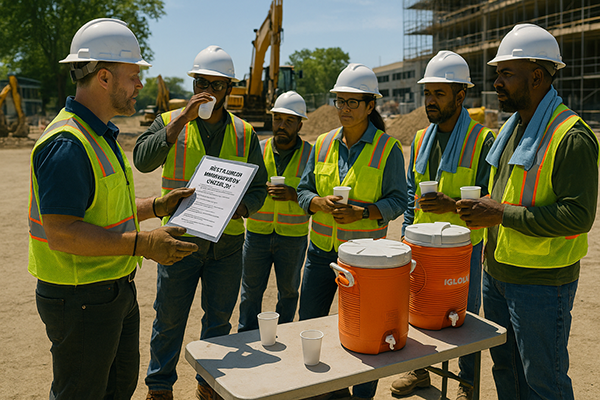
Keeping Up With Heat Safety Mandates in Summer Months Rising summer temperatures continue to challenge workforce safety across the construction, industrial, transportation, energy, and agricultural sectors. Heat stress is one of the most preventable workplace illnesses, yet it remains a leading cause of occupational medical emergencies in the United States. As temperatures climb, organizations must […]
Hurricane Emergency Readiness for High-Risk Worksites

Improving Emergency Readiness in Hurricane-Prone Zones Organizations operating along the Gulf Coast, Atlantic coastline, and island territories face recurring risks from tropical storms and hurricanes. To protect workers, critical equipment, and operational continuity, preparedness must be systematic not reactive. Effective hurricane readiness integrates emergency response, continuity planning, storm surge evaluation, and post-storm recovery controls. The […]
How Safety Reputation Impacts Contracting and Business Growth

When Safety Reputation Fails: The Hidden Cost No Company Can Ignore strong safety record is more than compliance it is a public signal of operational reliability. Companies with weak safety reputations face slower sales cycles, higher insurance premiums, fewer bid invitations, and greater turnover. Recent national data show the financial stakes are rising: the total […]
Overcoming Low Engagement in Toolbox Talks: Proven Ways to Boost Participation

Reactivating Engagement in Toolbox Talks: Turning Routine Meetings into Meaningful Safety Moments Toolbox talks can shift from “check-the-box” to high-impact safety moments when they are short, job-specific, and interactive. Evidence shows that adding narratives and discussion questions measurably improves knowledge gain during toolbox talks i.e., better engagement, better retention (Eggerth et al., 2018). In construction, […]
Mastering Fall Protection Training for Large-Scale Projects | OSHA & NIOSH Best Practices

Mastering fall protection training for large-scale projects On large, multi-employer jobsites, fall hazards change by the hour as trades stack and elevations shift. That’s why fall protection training has to scale with the work consistent methods, hands-on practice, and documented competency across every subcontractor. OSHA’s fall protection overview underscores that employers must prevent falls from […]
Q1 2026 Safety Reporting: Avoid Missed OSHA Deadlines
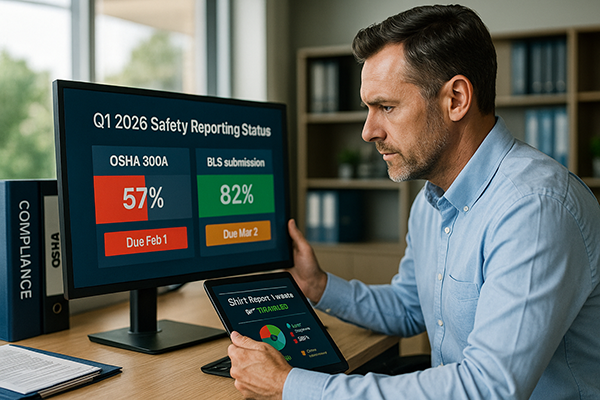
Unpreparedness for Q1 2026 Safety Reporting Deadlines Q1 2026 is a high-risk window for recordkeeping compliance, and many organizations underestimate how quickly deadlines arrive. OSHA requires most covered employers to post the prior year’s OSHA Form 300A from February 1 through April 30 and to ensure the summary is visible to employees even if no […]
Reducing Fatigue-Related Incidents in 24/7 Operations | OSHA & FMCSA Compliance Insights
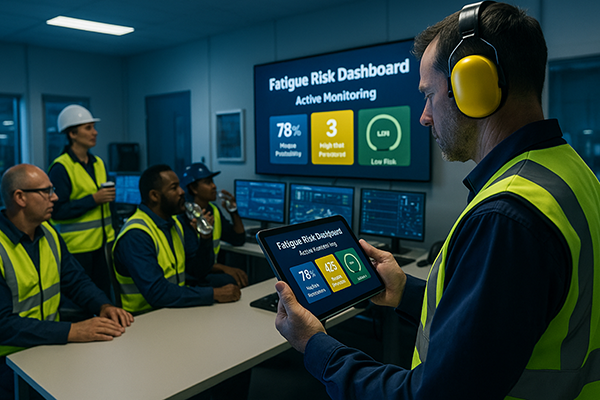
Reducing Fatigue-Related Incidents in 24/7 Operations In true 24/7 environments transportation, utilities, manufacturing, and mission-critical construction fatigue is a predictable hazard that degrades attention, slows reaction time, and raises incident likelihood. The Occupational Safety and Health Administration stresses that long or irregular hours increase error risk and that employers should control fatigue with schedule management, […]
Accelerating Prequalification with Strong Safety Metrics

Accelerating Prequalification with Strong Safety Metrics In today’s fast-paced contracting environment, project bids often hinge on how efficiently a company can complete prequalification. Yet, in the race for approval, the true differentiator lies not in speed alone but in the strength and transparency of safety performance data. Verified safety metrics form the backbone of trust […]
Failure to Prepare Routes for Severe Weather Threats
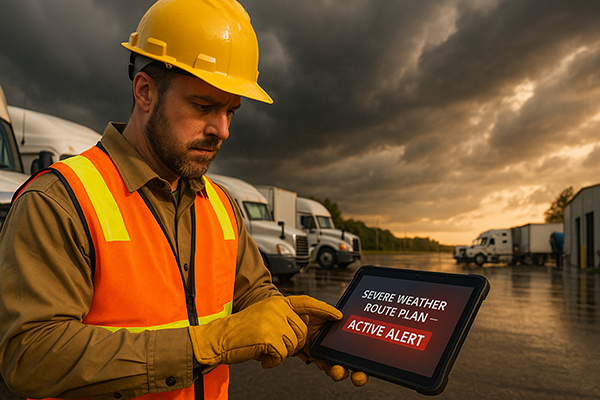
Failure to Prepare Routes for Severe Weather Threats Each year, severe weather disrupts thousands of commercial and construction operations across the United States. Unprepared routes especially during hurricanes, snowstorms, and flash floods create conditions that can cost lives and millions in damages. While weather cannot be controlled, route preparedness can. A structured, data-informed approach ensures […]
