
Improving Equipment Uptime with Predictive Safety Inspections | Key Safety LLC

Improving Equipment Uptime with Predictive Safety Inspections Unplanned equipment downtime is no longer just a maintenance problem; it is a safety, reliability, and business continuity issue. When a crane, truck, compressor, or production line fails unexpectedly, the risk of workers improvising, rushing repairs, or bypassing safeguards increases dramatically. Traditional time-based inspections often miss early warning […]
Fire Hazards in Summer Engine Operations: Prevention Strategies for Heat-Exposed Equipment | Key Safety LLC

Fire Hazards During Peak Summer Engine Operations Peak summer months create a perfect storm for fire hazards around engines, whether you are running truck fleets, heavy construction equipment, pumps, generators, or rail support vehicles. High ambient temperatures, hot engine compartments, dry vegetation, and increased loads all combine to push systems closer to their ignition thresholds. […]
Tackling Outdated Hazard Assessments in Legacy Systems | Key Safety LLC
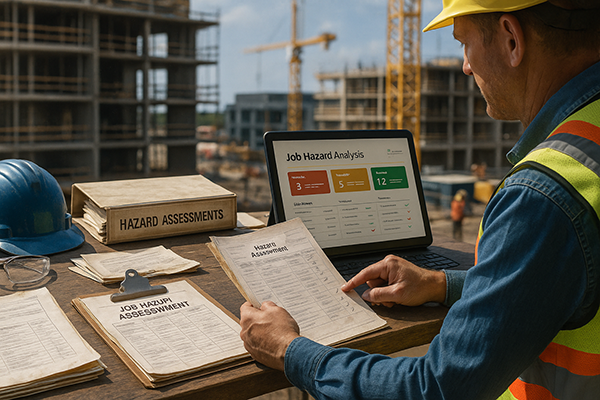
Tackling outdated hazard assessments in legacy systems. Tackling outdated hazard assessments in legacy systems is no longer just a “good practice” it is a core requirement for any organization that wants to stay compliant, prevent serious incidents, and maintain operational credibility. Many companies still rely on paper-based job hazard analyses, static spreadsheets, or assessments created […]
Safety Innovation Insights from Safety25 Orlando | Key Safety LLC

Showcasing Safety Innovation at Safety25 Orlando: How Technology Is Reshaping Modern EHS Safety25 Orlando is becoming a key meeting point for safety leaders, regulators, and technology partners who are rethinking how organizations anticipate, control, and prevent risk. Across construction, transportation, logistics, manufacturing, and energy, operations are more complex and time-compressed than ever. Traditional safety tools […]
Preventing Holiday Rush Accidents Caused by Unrealistic Work Schedules

Holiday Rush Accidents from Unrealistic Schedules Seasonal demand spikes place enormous pressure on construction, manufacturing, warehousing, and transportation operations. As year-end deadlines approach, many organizations compress schedules, accelerate workflows, and push teams beyond safe operational limits. These unrealistic holiday rush timelines create conditions where workers face fatigue, cognitive overload, and reduced situational awareness, all of […]
Correcting Inconsistent Training Practices Across Multi-Site Operations | Key Safety LLC
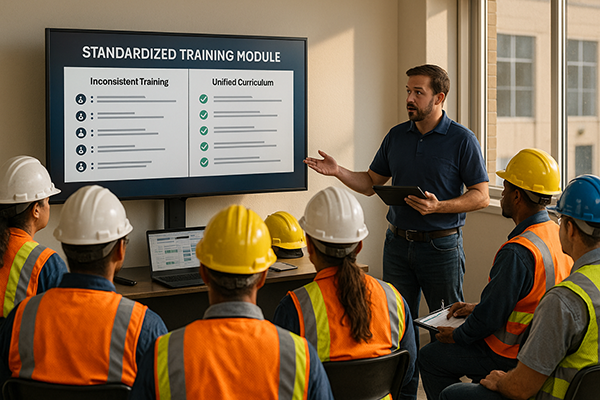
Correcting Inconsistent Training Practices Across Sites Construction, manufacturing, logistics, and transportation companies increasingly rely on multi-site operations to meet rising demand. Yet one of the most persistent risks affecting performance, compliance, and employee safety is inconsistent training across locations. When sites deliver training differently varying content, delivery methods, documentation expectations, or competency checks organizations experience […]
Digitizing Construction Inspections to Accelerate Delivery | Key Safety LLC

Digitizing Inspections to Accelerate Construction Delivery Construction projects face ever-increasing demands for speed, accuracy, and safety. Traditional paper-based inspection workflows often cause operational delays, incomplete documentation, and reduced visibility into site conditions. As the Occupational Safety and Health Administration notes, inspections must be timely, well-documented, and responsive to changing jobsite conditions to support safety and […]
Clear Driver SOPs to Prevent Field Confusion | Key Safety LLC

Unclear Driver SOPs Leading to Field Confusion Organizations across transportation, construction, manufacturing, and logistics rely on drivers to execute daily operations safely and consistently. When standard operating procedures are unclear, outdated, or written without field input, confusion spreads quickly and performance deteriorates. The Federal Motor Carrier Safety Administration stresses that clear operational guidance is essential […]
Securing Leadership Buy-In for Mid-Year Safety Initiatives
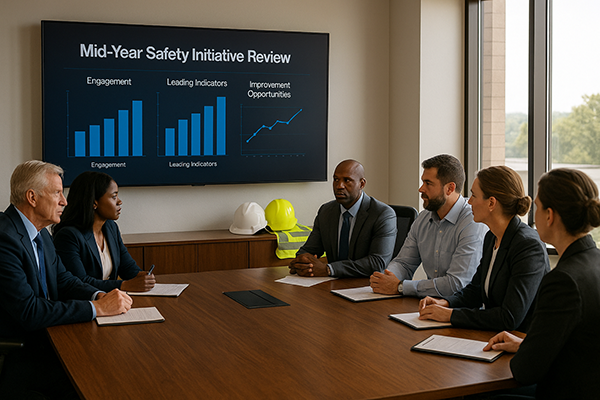
Getting Leadership Buy-In for Mid-Year Safety Initiatives For many organizations, safety programs launch at the start of the fiscal year and then lose steam as other priorities emerge. Mid-year presents a strategic moment to reconnect leadership support, reset momentum, and align safety initiatives with business goals. Leadership buy-in is more than a signature it’s the […]
Reducing Delays Through Proactive Storm Response
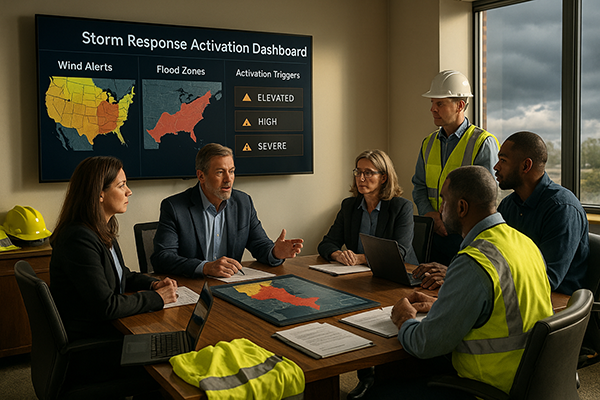
Reducing Delays Through Proactive Storm Response Protocols Storm-related disruptions continue to be one of the primary drivers of operational delays across construction, transportation, manufacturing, and logistics sectors. Delays tied to severe weather disrupt schedules, impact labor productivity, and compromise safety. Organizations with proactive and actionable storm response protocols consistently recover faster, maintain service continuity, and […]
